
For much of the 20th century, the defining agricultural image in central Connecticut wasn’t of corn or apples, but of tobacco. The cultivation of broadleaf and shade tobacco was a major economic driver and physical transformer of the landscape, leaving a lasting mark on the state.
The industry took off after the Civil War, finding ideal conditions in the fertile soil of the Connecticut River Valley. Towns like Windsor, Suffield, and East Windsor became its epicenter. The crop wasn’t for cigarettes; it was prized as high-quality wrapper leaf for cigars. The delicate, unblemished leaves needed for the outer wrap of premium cigars commanded top prices.
To produce this finicky crop, farmers engineered the landscape. They erected vast fields of sheer cheesecloth tents, supported by miles of wooden poles and twine. These “shade tents” protected the tender tobacco leaves from sun and wind, creating an eerie, ghostly canopy that covered thousands of acres. The sight of these cloth-covered fields became synonymous with summer in the region.
The work was labor-intensive and seasonal, relying heavily on migrant workers, including many from Jamaica and the American South, who came north for the summer harvest. The process of harvesting, curing in specialized barns, and sorting the leaves supported entire communities, from field hands to barn mechanics to auction house clerks.
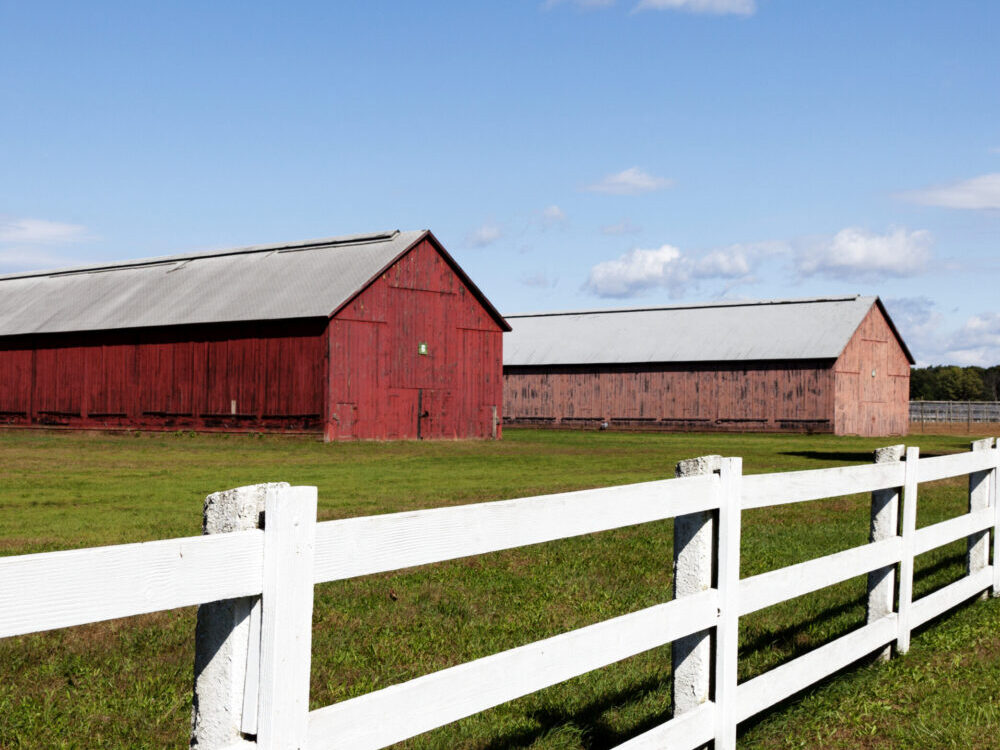
The industry peaked in the 1920s and again after WWII, but began a steady decline by the 1960s due to changing consumer habits, competition from abroad, and rising land values. Today, only a handful of farms still operate on a small scale. The most visible legacy is the land itself. Many of the former tobacco fields have been repurposed for suburban development, while others have been conserved as open space. Some of the old curing barns still stand, repurposed as wineries, antiques centers, or storage.
Connecticut’s tobacco history is not a quaint footnote. It was a sophisticated, large-scale agricultural enterprise that dictated the economy, the seasonal labor cycle, and the very look of the region for generations. Its decline marks one of the most significant shifts in the state’s modern landscape.
To see remnants of this history, you can visit places like the Connecticut Valley Tobacco Museumin Windsor or view historic photographs at local historical societies in the Farmington Valley.